Table of Contents
- At a Glance: Georgia Apartment Fire Insurance and Legal Claims
- Apartment Fires That Cause Catastrophic Injuries or Wrongful Death
- What Are Georgia’s Apartment Fire Insurance and Safety Requirements?
- What Is Renters Insurance and What Does It Cover in Georgia?
- Does Renters Insurance Cover Injuries From an Apartment Fire?
- When Can an Apartment Fire Lead to a Personal Injury Claim in Georgia?
- Types of Claims After a Georgia Apartment Fire Injury
- What to Keep in Mind After an Apartment Fire in Georgia
- Georgia Fire Injury Attorney for Catastrophic Apartment Fire Cases
- Frequently Asked Questions
Apartment fires can destroy belongings, force Georgia tenants from their homes, and cause catastrophic injuries or death. Renters insurance typically covers personal property and temporary living expenses, but serious injuries or wrongful death may require a separate legal claim.
Georgia does not generally require tenants to purchase renters insurance, although landlords may require it under a lease. Understanding apartment rental insurance in Georgia and the state’s landlord safety requirements can help you determine what coverage or compensation may be available after a fire and whether you should contact a law firm to explore your rights.
At a Glance: Georgia Apartment Fire Insurance and Legal Claims
If you were affected by an apartment fire in Georgia, the coverage or compensation available depends on your losses and what caused the fire.
- Renters insurance: May cover damaged belongings and temporary living expenses after a covered fire.
- Georgia insurance requirements: State law does not generally require renters insurance, but your lease may.
- Landlord responsibilities: Georgia landlords have legal duties related to building repairs and unsafe property conditions.
- Catastrophic injuries: If negligence caused or worsened your injuries, you may have a personal injury or premises liability claim.
- Wrongful death: Families may have a wrongful death claim if negligence contributed to a loved one’s death.
- Legal help: Apolinsky & Associates handles catastrophic injury and wrongful death cases throughout Georgia, not standalone property damage claims.
Apartment Fires That Cause Catastrophic Injuries or Wrongful Death
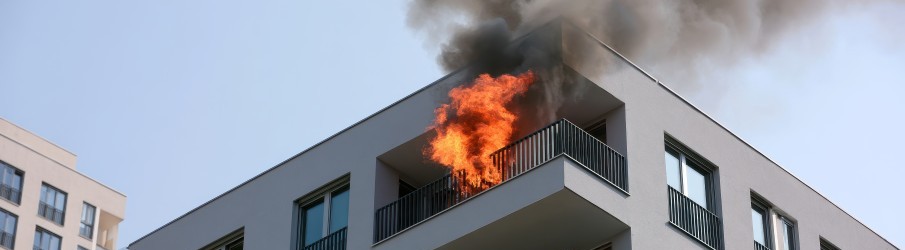
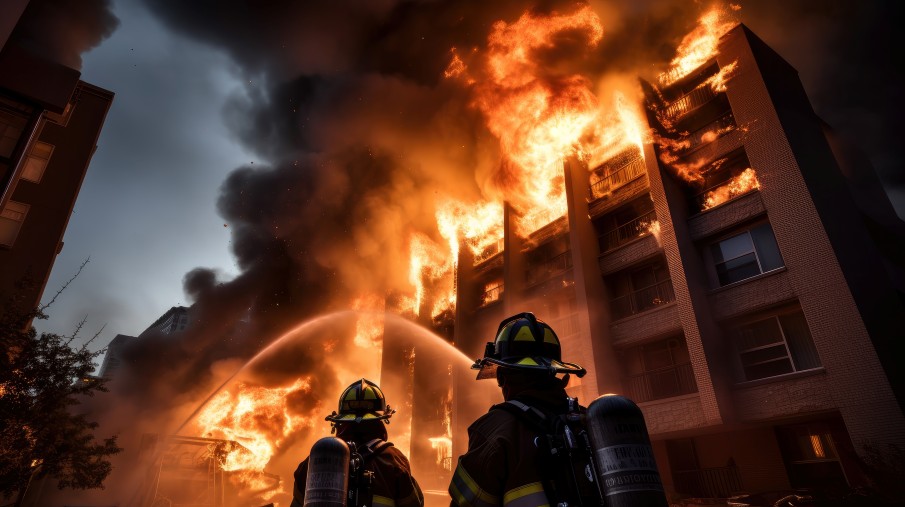
Apartment fires in Atlanta and throughout Georgia can expose residents to flames, smoke,toxic gases, or can cause one to fall and suffer personal injuries. They may cause severe burn injuries, smoke inhalation, brain injuries, permanent lung damage, or death.
Common causes of apartment fires include:
- Faulty electrical wiring or overloaded circuits.
- Heating equipment failures.
- Defective appliances or products.
- Cooking fires.
- Missing or broken smoke alarms.
- Defective sprinklers or fire alarms.
- Other building maintenance and safety failures.
Investigators look beyond what started the fire. They also examine whether smoke alarms worked, whether residents had safe exits, and whether the property complied with applicable Georgia fire safety requirements.
A landlord, property owner, contractor, maintenance company, or another party may be responsible if negligence contributed to the fire or resulting injuries.
Further Reading: Top Causes of Apartment Fires
What Are Georgia’s Apartment Fire Insurance and Safety Requirements?
Georgia has specific laws governing landlord responsibilities, building safety, and fire protection. These requirements help determine what landlords must do to maintain rental properties and when they may be held responsible for fire-related injuries.
Is Renters Insurance Required in Georgia?
Georgia law does not generally require apartment tenants to carry renters insurance. However, landlords and apartment complexes may make renters insurance a condition of the lease.
Even when a landlord requires insurance, tenants should understand that the landlord’s property insurance generally protects the building, not the tenant’s personal belongings.
Renters insurance provides separate protection for covered property losses, liability risks, and additional living expenses.
Georgia Landlord Fire Safety Responsibilities
Georgia landlords have a duty to maintain rental properties and address certain unsafe conditions.
Under O.C.G.A. § 44-7-13, landlords must keep rental premises in repair. Under O.C.G.A. § 44-7-14, landlords may be responsible for damages arising from defective construction or failure to keep the premises in repair.
Depending on the property and applicable safety codes, landlord responsibilities may include:
- Maintaining electrical systems and heating equipment.
- Repairing known fire hazards.
- Providing and maintaining required smoke alarms.
- Maintaining required fire protection systems.
- Keeping designated emergency exits and escape routes safe.
- Addressing building and fire code violations.
Georgia’s Office of Insurance and Safety Fire Commissioner publishes fire safety rules and regulations that apply to certain buildings and systems.
Local fire codes and inspection requirements may also apply to apartment buildings in Atlanta and other Georgia communities.
Georgia Smoke Alarm and Fire Protection Requirements
Georgia law requires smoke alarms in covered residential dwellings. Under O.C.G.A. § 25-2-40, qualifying residential properties must have smoke detectors that meet applicable requirements.
Apartment buildings may also be subject to additional fire alarm, sprinkler, and emergency exit requirements based on their construction, occupancy, and applicable codes.
Missing or malfunctioning fire protection systems may be important evidence in an injury claim, especially if they delayed evacuation or increased residents’ exposure to smoke and flames.
Further Reading: Understanding Georgia’s Fire Codes for Apartment Buildings
Georgia Condominium Fire Insurance Requirements
Georgia’s Condominium Act includes specific insurance requirements for condominium associations.
Under O.C.G.A. § 44-3-107, condominium associations are generally required to maintain certain property and liability insurance coverage, subject to statutory exceptions.
These requirements apply to qualifying condominium properties and should not be confused with general renters insurance requirements for apartment tenants.
A person renting a condominium unit may still need a separate renters insurance policy to protect personal belongings.
What Is Renters Insurance and What Does It Cover in Georgia?
Renters insurance protects Georgia tenants from certain financial losses after a covered event, such as an apartment fire. Policies typically include three main types of coverage:
- Personal property: May cover belongings damaged by fire, smoke, or water used to extinguish the fire, including furniture, clothing, and electronics.
- Personal liability: May cover certain costs if you are legally responsible for another person’s injuries or property damage.
- Loss of use: May help pay additional living expenses if a covered fire makes your apartment temporarily uninhabitable.
Personal property coverage generally uses one of two methods:
- Actual cash value: Pays what an item was worth when the fire occurred, accounting for its age and condition.
- Replacement cost value: Pays to replace a covered item with a similar new one, up to policy limits.
These benefits help Georgia renters recover certain property losses. They do not provide the same compensation as a catastrophic injury or wrongful death claim.
Does Renters Insurance Cover Injuries From an Apartment Fire?
Renters insurance primarily protects your belongings and covers certain liability risks. It generally does not pay for your own physical injuries.
Personal liability coverage may apply if your actions injure someone else. For example, it might cover another person’s injuries if you negligently start a fire.
Health insurance may help pay your medical bills after a fire. Disability insurance may provide income protection if your injuries prevent you from working. Life insurance may provide benefits after a death.
If someone else’s negligence caused the fire or worsened your injuries, a Georgia fire injury attorney can investigate whether you have grounds for a personal injury or wrongful death claim.

When Can an Apartment Fire Lead to a Personal Injury Claim in Georgia?
An apartment fire does not automatically make a Georgia landlord or property owner legally responsible. A claim depends on whether negligence contributed to the fire or resulting injuries.
Under Georgia law, landlords may be held responsible for injuries arising from defective construction or failure to keep rental premises in repair (O.C.G.A. § 44-7-14).
Examples of potentially negligent conditions include:
- Known electrical hazards that were not repaired.
- Missing or broken smoke alarms.
- Fire alarms or sprinklers that failed to work.
- Blocked or unsafe emergency exits.
- Defective fire doors.
- Unsafe heating equipment.
- Building or fire code violations.
- Failure to address reported fire hazards.
A landlord, property manager, contractor, maintenance company, or product manufacturer may be responsible depending on the circumstances.
An investigation must establish how the negligent condition contributed to the injuries, not simply that a fire occurred.
Further Reading: Suing a Property Management Company for Personal Injury?
Types of Claims After a Georgia Apartment Fire Injury
More than one type of claim may apply after a serious apartment fire in Georgia:
- Renters insurance claim: May cover damaged belongings, smoke damage, and certain additional living expenses. Apolinsky & Associates does not handle standalone property damage claims.
- Personal injury claim: Victims who suffer catastrophic injuries because of negligence may seek compensation for medical expenses, lost income, pain and suffering, and other losses.
- Premises liability claim: Unsafe property conditions may support a claim against a landlord, property owner, or another responsible party.
- Wrongful death claim: Eligible family members may pursue compensation when negligence causes a loved one’s death.
Georgia also has filing deadlines for these cases. Under O.C.G.A. § 9-3-33, most personal injury claims must be filed within two years. Wrongful death claims generally have a two-year deadline as well, although exceptions and special rules may apply.
A Georgia attorney can identify responsible parties, evaluate potential claims, and determine which deadlines apply.
Further Reading: Your Guide to Suing For Wrongful Death In Georgia Civil Courts
What to Keep in Mind After an Apartment Fire in Georgia
Evidence can disappear quickly after an apartment fire. Cleanup crews may remove debris, replace damaged equipment, or repair unsafe building conditions.
After a catastrophic injury or death, we recommend that you:
- Seek immediate medical care.
- Hire an experienced law firm like Apolinsky & Associates, LLC to investigate and collect evidence. The law firm works on a contingency fee, meaning they only get paid if there is a financial recovery. Some of the initial steps include:
- Report the fire to the appropriate insurance companies.
- Take photos and videos when it is safe.
- Request fire reports from the responding Georgia fire department or fire marshal.
- Save communications with your landlord or property manager.
- Keep maintenance requests and previous safety complaints.
- Save medical bills and treatment records.
- Document lost wages and missed work.
- Keep receipts for temporary housing and other added expenses.
- Preserve funeral expense records after a death.
For a renters insurance claim, document damaged furniture, clothing, electronics, and other belongings.
For an injury claim, your attorney may investigate the fire’s origin, building conditions, safety systems, maintenance history, and prior complaints to determine whether negligence played a role.

Georgia Fire Injury Attorney for Catastrophic Apartment Fire Cases
Renters insurance helps cover fire damage and temporary living expenses. However, a catastrophic injury or death can create much greater financial and personal losses.
At Apolinsky & Associates, we represent individuals and families affected by serious apartment fires and explosions throughout Atlanta and Georgia. We investigate the circumstances of the fire, identify responsible parties, and pursue compensation for catastrophic injuries and wrongful death.
If an apartment fire caused catastrophic injuries or the death of a loved one, contact Apolinsky & Associates to discuss your legal options.
Frequently Asked Questions About Apartment Fire Insurance in Georgia
Is Renters Insurance Required in Georgia?
No. Georgia does not generally require tenants to purchase renters insurance. However, landlords and apartment complexes may require coverage as part of a rental agreement.
Even when renters insurance is optional, it provides financial protection for covered property losses and temporary living expenses.
Does Renters Insurance Cover Fire in Georgia?
Yes. Renters insurance typically covers fire damage, subject to your policy’s terms and coverage limits.
Coverage may pay for belongings damaged or destroyed by fire or smoke. Additional living expense coverage may also help if the fire forces you to leave your apartment.
Does Renters Insurance Cover Smoke Damage?
Renters insurance may cover smoke damage from a covered fire. This includes damage to furniture, clothing, electronics, and other personal belongings.
Your policy determines the amount the insurance company will pay.
Does Renters Insurance Cover Medical Bills After a Fire?
Renters insurance generally does not pay your own medical bills. Personal liability coverage instead helps cover certain injuries you cause to others.
If another party’s negligence caused the fire or your injuries, you may have a personal injury or premises liability claim.
Can You Sue a Landlord for an Apartment Fire in Georgia?
Yes, you may have grounds to sue a Georgia landlord if defective construction, negligent repairs, or unsafe property conditions contributed to your injuries.
Georgia law holds landlords responsible for certain damages arising from defective construction or failure to keep rental premises in repair (O.C.G.A. § 44-7-14).
An attorney can investigate whether the landlord’s actions or failure to act contributed to the fire or resulting injuries.
What Can a Georgia Fire Injury Attorney Help With?
A Georgia fire injury attorney can investigate the cause of an apartment fire, preserve evidence, and identify parties responsible for catastrophic injuries or wrongful death.
Severe burns and other fire-related injuries may require surgery, rehabilitation, and long-term care. An injury claim may seek compensation for medical expenses, lost income, disability, pain and suffering, and other losses.
Talk to an Atlanta Apartment Fire Injury Attorney
An apartment fire can leave victims and families facing serious injuries, overwhelming medical expenses, or the loss of a loved one. When negligence contributes to a fire, an experienced attorney can investigate what happened, identify responsible parties, and pursue compensation.
At Apolinsky & Associates, we represent victims of catastrophic injuries and wrongful death throughout Georgia and Alabama. Our small but mighty firm combines personalized attention with the resources needed to investigate complex apartment fire cases.
If you or a loved one suffered catastrophic injuries or wrongful death in an apartment fire, contact Apolinsky & Associates for a no-obligation case evaluation. Call 404-377-9191 or email steve@aa-legal.com to discuss your legal options.